

Fresh Perspectives. Elevated Thinking.
Welcome to Carried Interest where you’ll find curated insights from CAIA staff and respected industry voices, featuring sharp market commentary, strategic foresight, and perspectives that challenge conventional thinking and spotlight what’s next in investing.
Explore All Posts
-
iStockphoto: johavel

US Endowment Study: Top 17 Funds Asset Allocation, Risk, and Risk-Adjusted Returns
By Mila Sherman, PhD, Professor of Finance, Shhreya Anand, Jonathan Fula, Hurditya Lohia (students), and Alternatives Class Advisor: Kristen Walters…
-
iStockphoto: Nuthawut Somsuk

Evergreen Funds: We Have Questions
By Hilary Wiek, CAIA CFA, Principal Analyst, Fund Strategies, PitchBook Private markets are rapidly expanding into portfolios of investors previously excluded…
-
iStock-1319196773 / iStock.com/Liliya Filakhtova

A CAIA Mini Course: A Real Estate Focus on the Crypto Tokenization of Real Assets – Part Three
By Stylianos Kampakis PhD, CEO, Tesseract Academy In this CAIA mini-course, we introduce the work of Stylianos Kampakis PhD, CEO of…
-
iStockphoto: Ildo Frazao

A Liquidity Reckoning: When Access Outpaces Infrastructure
By Adele Kohler, CFA, Managing Director, Americas, CAIA Association The vehicles designed to broaden access to private markets are now being…
-
iStockphoto: erhui1979

Private Credit Redemptions, Defaults, and Wrappers, Oh My!
By Georgina Tzanetos, Director, Content, CAIA Association The headlines have been breathless. The $2.02 trillion private credit market, we are told,…
-
iStockphoto: Thai Liang Lim

Building an AI Moat: What Professional Education Can Offer That Algorithms Can’t
By Steve Novakovic, CAIA, CFA, Managing Director of Educational Programs, CAIA Association Artificial intelligence may not yet be fully woven into…
-
iStockphoto: Jacqueline Nix

Opening the Gate: A Brief Review of the DOL’s Proposed Rule on Alternatives in 401(k) Plans and Revisiting CAIA’s Position
By CAIA Association’s Leadership Team On March 30, 2026, the Department of Labor proposed a rule that would establish a formal…
-
iStock Photo: samxmeg
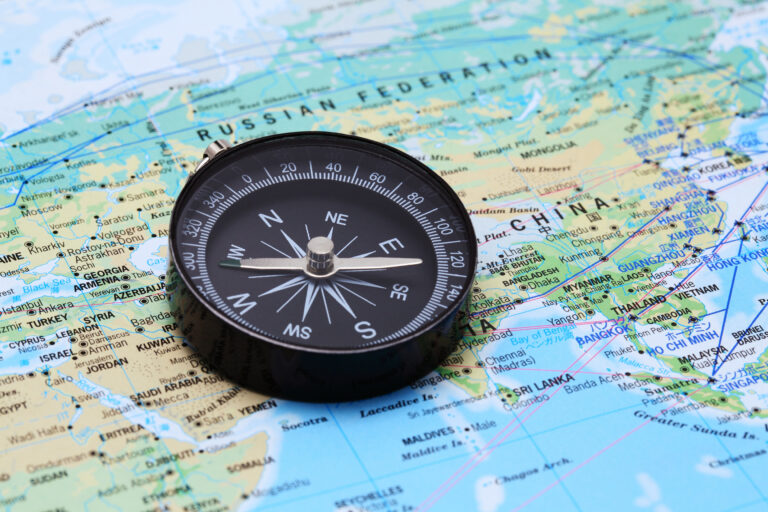
Capital with a Compass: How the Gulf Is Rewiring Global Private Markets
By Laura Merlini, CAIA, CIFD, Managing Director, EMEA, CAIA Association Aesop offers a surprisingly modern lesson for global finance in the…
-
iStock Photo: negoworks
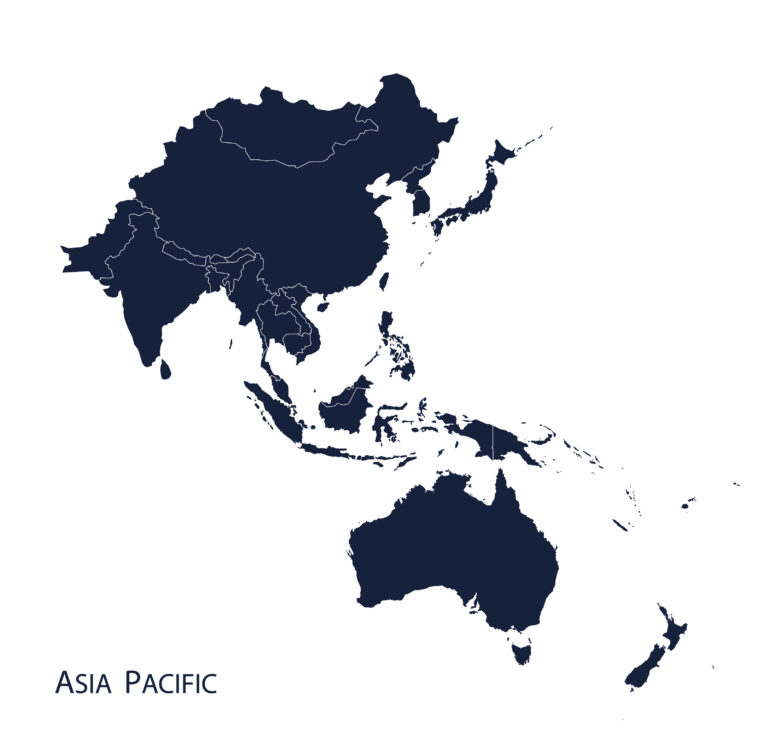
From Short-Termism to Stewardship: What APAC Boards Need to Lead in a Geopolitically Fragmented Era
By Nick Pollard, Managing Director, APAC at CAIA Association In today’s fractured geopolitical landscape, boards across Asia-Pacific (APAC) face a profound…
-
Listening for the Signals of a Rewired World
By Aaron Filbeck, CAIA, CFA, CFP®, CIPM, FDP, Managing Director, Content & Community Strategy, CAIA AssociationSomething has felt different over…
-
iStock.com/yangna

Thermal Renaissance: Why Gas-Fired Generation is Infrastructure Again
By Aaron Vale, CAIA, CFA, MFin, Global Managing Director, Mexico Infrastructure Partners In recent years, owning a natural gas power plant…
-
iStock-1319196773 / iStock.com/Liliya Filakhtova
A CAIA Mini Course: A Real Estate Focus on the Crypto Tokenization of Real Assets – Part Two
By Stylianos Kampakis PhD, CEO, Tesseract Academy In this CAIA mini-course, we introduce the work of Stylianos Kampakis PhD, CEO of…
-
iStock.com/Nikada

Suffering from Success: How Infrastructure Became Too Big to Ignore
By Aaron Filbeck, CAIA, CFA, CFP®, CIPM, FDP, Managing Director, Content & Community Strategy, CAIA Association What happens when all you…
-
iStock.com/Mustapha GUNNOUNI

Cryptos, Stablecoins and Sovereign CBDCs
How should SWFs and Asset Owners rethink crypto assets in 2026? By Winston Ma, Partner of Dragon Global Family Office; Former…
-
iStock.com/William_Potter
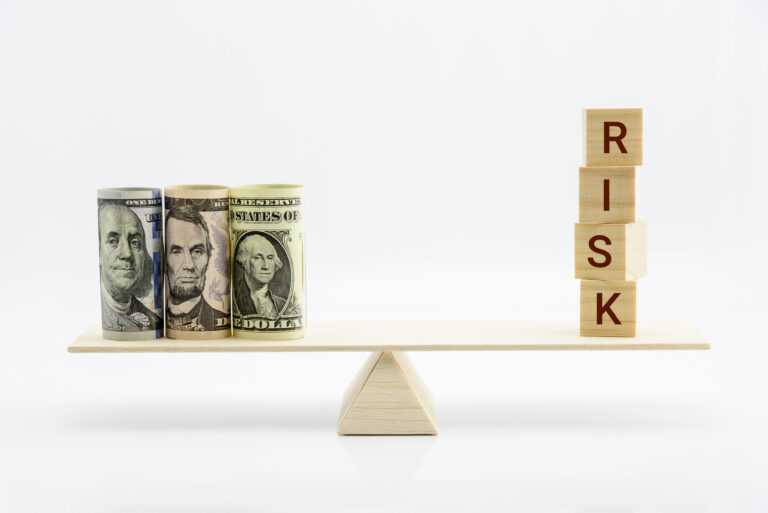
No Exit, No Problem? How Asset Owners Can Tame Illiquidity Risk
By Andreas Rothacher, CFA, CAIA Head of Investment Research at Complementa AG & Richard Sanders, CFA, Head of asset allocation…
Contribute to Carried Interest
Have data, perspective, or a big idea that can raise the bar for alternatives?
Pitch a post, record a quick take, or propose a webcast. If it challenges assumptions and advances objectivity, we want to share it.