New study of mutual fund alpha shows that what-goes-around-comes-around

Jan 27th, 2010 | Filed under: CAPM / Alpha Theory, Today's Post

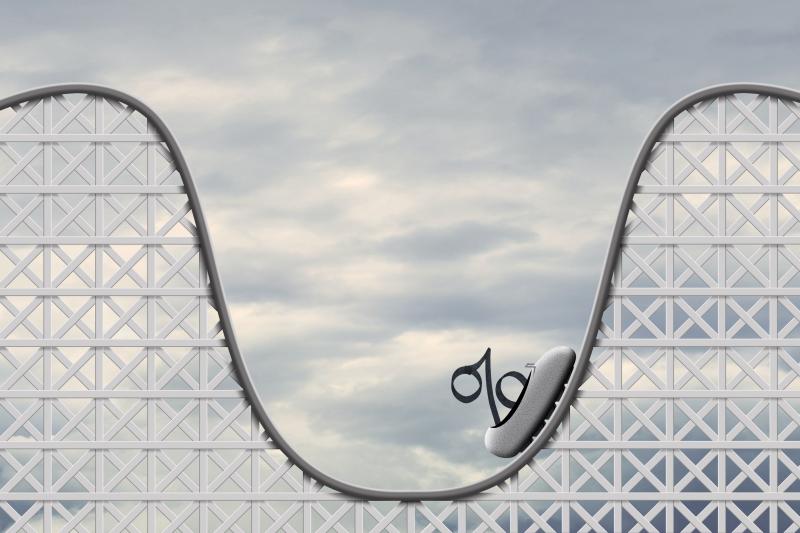
goingaroundFor year, researchers have been telling us that one of the biggest determinants of mutual fund alpha (or lack thereof) is a fund’s expense ratio.  What little raw alpha is generated, the argument goes, is eaten up by management fees.

On the surface, a new study of “the dynamics of average mutual fund alphas” seems to suggest the same thing.  But under the surface, the paper makes an interesting observation about the changing structure of markets themselves. More…


To continue reading this article please login (at the right) or click here to learn more about accessing our archives.

Related Posts

  1. Study looks at differences between institutional and retail mutual funds
  2. New study says widely-used models can be particularly misleading in performance evaluation
  3. Predicting alpha: Not that hard after all finds new study
  4. What’s behind the drop in mutual fund alpha?
  5. Examining “Real Alpha” and “Exotic Beta” in mutual funds

One comment
Leave a comment »

  1. This phrase jumped out at me: “They also find that the ratio of ’skilled to unskilled’ funds (think ratio of high-tracking error funds to index huggers) . . .”

    I’ve been watching this as it relates to the marketing of products. The “tracking error is bad” theme is still pretty entrenched overall at the advisor level (and for “unsophisticated” clients), but it pops up in a lot of ways and places that you wouldn’t expect even among “sophisticated” clients.

    It will be interesting to see whether that philosophy changes over time across the business, and whether instead of using a screen that includes a maximum on tracking error people will start with a notion of a minimum threshold below which it’s not worth looking.

    Tom Brakke

Leave Comment