Short Extension Strategies: The active management canaries in the coal mine
Nov 21st, 2008 | Filed under: Institutional Investing, Today's Post
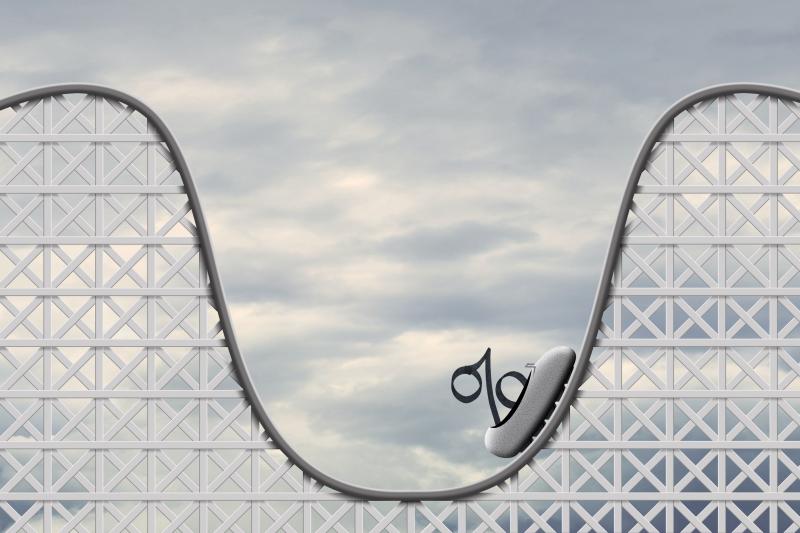
It’s often said that hedge funds - and by extension active management in general - thrive on market volatility. Without volatility, they say, stock pickers have little opportunity to ply their trade.
Great theory. But with the volatility of the average stock now well into in the stratosphere; shouldn’t today be a golden age for active managers?
Yes and no, according to one expert. Steve Sapra of Analytic Investors (see related posts) told a conference audience in New York this week that volatility alone isn’t enough to give active managers their moment in the sun. Instead, active management requires two things: high volatility and a high “cross sectional dispersion” between stock returns. While Sapra’s remarks were targeted to a group of 130/30 managers and investors (at Terrapinn’s annual 130/30 conference), his lessons can easily be applied to active management in general (”120/20″, “110/10″ or just plain “100/0″).
As Sapra explained, cross sectional dispersion measures the extent to which stocks move in different directions at a point in time. Active managers rely on these disparate movements as fuel for their market beating returns (a.k.a. “tracking error”). As a result, said Sapra, cross-sectional dispersion is usually a more important predictor of active management opportunities than volatility in general.
To continue reading this article please login (at the right) or click here to learn more about accessing our archives.