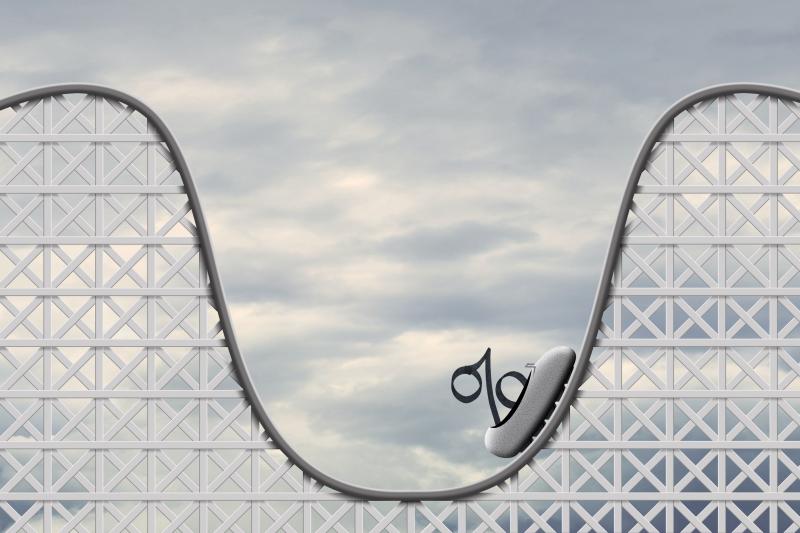
Alternative Viewpoints: When the “100 year flood” really is a 100 year flood…
| Nov 2nd, 2008 | Filed under: CAIA Alternative Viewpoints Columns, Guest Posts, Today's Post | By: Alpha Male |
As Andrew Lo said at a major hedge fund conference in Boston last week, humans have a bad habit of confusing “very low probability” with “no probability”. While this heuristic might help us from becoming a bunch of paranoid freaks, it can clearly be dangerous if the “low probability” event is catastrophic. Enter catastrophe bonds. In this month’s “Alternative Viewpoints” column, CAIA Association member Robert Koller-Vernot discusses the growth of the catastrophe bond (“cat-bond”) industry. Koller-Vernot is a financial services and securities lawyer in Frankfurt with several years of experience in the fund management industry throughout Europe. He also writes an interesting blog.
We think you’ll find his industry survey below (and in an expanded form available here) to be a concise and informative description of this interesting, if not a little macabre, quarter of the financial sector. Read on to find out why Disney was a pioneer in cat bond issuance. (For loads of references and external sources, refer to the full article.)
Special to AllAboutAlpha.com by: Robert Koller-Vernot, CAIA
Cat-Bonds are financial markets instruments that include an extra feature – an insurance element. The main idea behind a cat-bond, as initially conceived, is to transfer risk of a natural catastrophe.
The issuer of a cat-bond issues securities that pay regular interest and return their principal at the end of their lifetime. The normal maturity of a cat-bond is around three years. However, the principal re-payments are conditional on certain pre-defined “triggers” (see below). For example, in an earthquake-linked cat-bond, the trigger might be defined as a specific level of seismic activity. If that activity occurs, then, generally, the principal will not be paid back or will be reduced at the end of the lifetime of the bond.
The flexible structure of cat-bonds allows the linking of the event (or even several events) to the repayment of the principal, the interest payments or both. It is also possible to include staggered events as triggers. For example, if the earthquake magnitude reaches X but not Y on the Richter scale, then only 75% of the principal will be paid back, if it exceeds Y but not Z, the 50% will be paid back. More…
To continue reading this article please login (at the right) or click here to learn more about accessing our archives.
Related Posts
- Alternative Viewpoints: “Liquidity Insurance”
- Alternative Viewpoints: Alternative Investments in India – Regulatory easing, growth in private equity, and new real estate opportunities
- Alternative Viewpoints: Using the Modified Sharpe & Information Ratios
- Alternative Viewpoints: The Ascendancy of Risk Management
- Alternative Viewpoints: Pension buyouts can make the bailout plan look small


100 year events for a 20-30 year bond mean a 20-30% chance of occurence over the life of the bond. I think these things should be designed for 500 year events and people should think longer term. Govts need to think longer term, such as wether or not to build a city on a flood plain or in an earthquake zone etc.