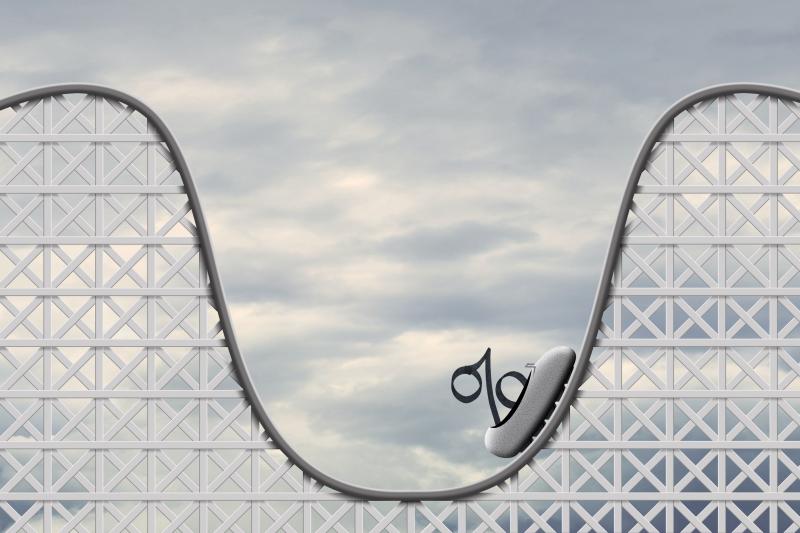
Monday, September 22: The Day the Contrails Faded
Sep 21st, 2008 | Filed under: Hedge Fund Regulation, Today's PostClimate researchers have long debated the effect of airplane contrails on the average ground temperature. They theorized that contrails prevented sunlight from hitting the ground and warming the lower atmosphere. But while each individual contrail could, in theory, create a slight shadow over a wide area, it was impossible to really gauge the effect of these ubiquitous clouds on the overall climate unless people literally stopped flying for several days.
Of course, this is exactly what happened during the week of September 11, 2001. And researchers subsequently discovered that contrails did affect climate after all. As CNN reported at the time, the average temperature volatility in the US actually rose significantly:
“During the three-day commercial flight hiatus, when the artificial clouds known as contrails all but disappeared, the variations in high and low temperatures increased by 1.1 degrees Celsius (2 degrees Fahrenheit) each day, said meteorological researchers.”
The recent moves by the SEC and FSA to curtail shorting of financial stocks provides researchers with a similarly unique opportunity to examine the effect of this equally ubiquitous phenomenon.
To continue reading this article please login (at the right) or click here to learn more about accessing our archives.
Related Posts
- Short-Ban study finds no evidence of “expected effect of the new regulations”
- Exactly how bad was September for hedge funds?
- Are restrictive regulations behind surfeit of “slightly positive results”?
- Proposed regulation means shorts going to the dogs?
- A new round of short-sale bans sure to ire the hedge fund industry, but do they work?


The “no contrails” analogy for the short selling ban will no apply until the existing short interest has been covered. Shorts provide natural demand to balance long selling. When there is no short interest, we will see if long selling doesn’t increase volatility when it has no natural offsetting demand from shorts.
Valid point. But I wonder if the lack of new shorting is the salient thing here. In other words, has the effect of the existing short positions already been factored into current prices? In fact, does the covering of existing short positions give stock prices an artificial tailwind? And if so, what will happen when there are no more shorts to cover?